Inaugural AI Music Awards Held in Downtown Los Angeles Amid Technical Glitches
The Sonic Intelligence Academy hosted its first AI Music Awards, celebrating tech-assisted music despite logistical challenges and a chaotic atmosphere at the Mayan Theater.
By News Media House Staff ·
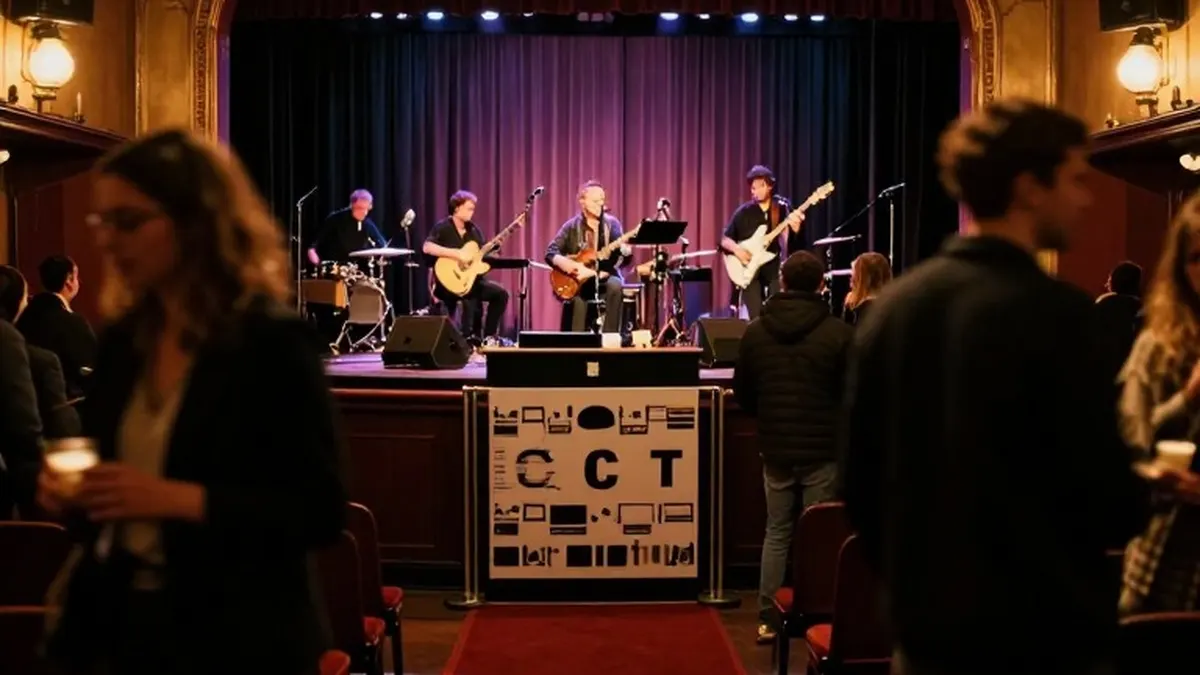
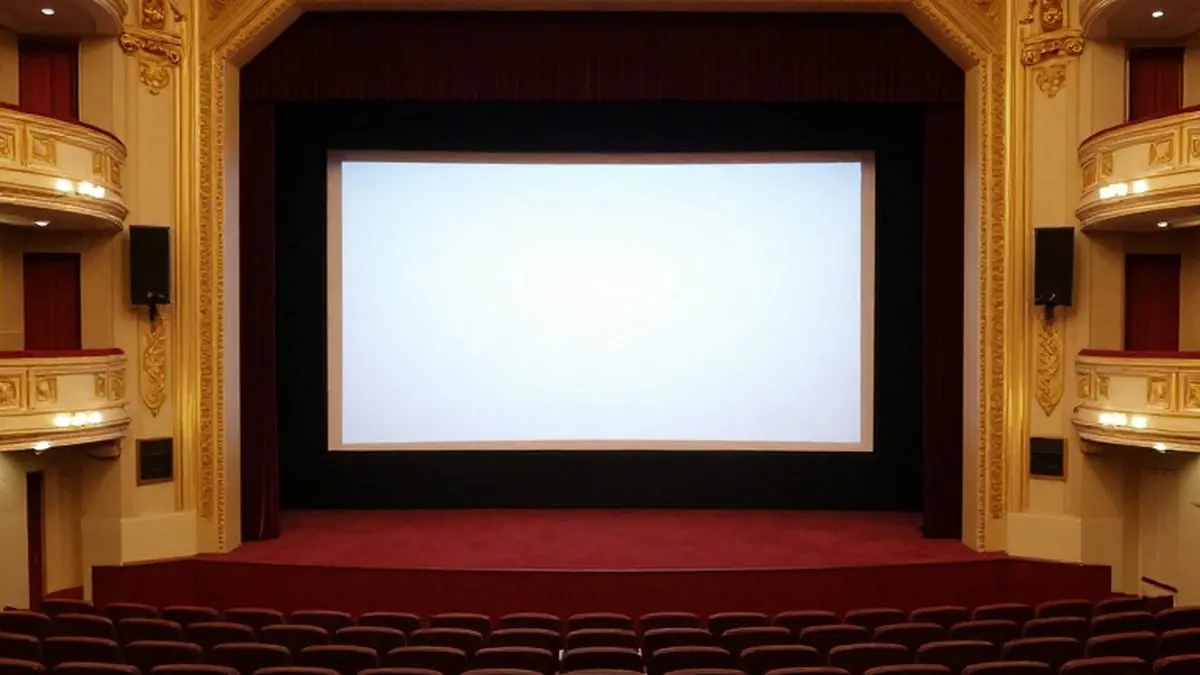
The first AI Music Awards took place on Friday evening at the Mayan Theater in Downtown Los Angeles, marking a significant step for the Sonic Intelligence Academy, or SIQA. The event, which aimed to normalize AI-assisted music, began with a delay as guests waited for the doors to open. A spokesperson noted that a sudden flight ground-stop issued by the Federal Aviation Administration prevented some of the 29 registered media outlets from attending, though the red carpet proceeded with the human creators behind the digital avatars.
SIQA, founded by software engineer Timirah “TJ” James and her sister Mia James, launched in January to provide infrastructure for AI musicians. The organization seeks to act as a counterpart to the Recording Academy, advocating for artists to publicly claim their AI-powered work. To qualify for the awards, artists registered their tracks with SIQA’s Verified Registry, which categorizes songs as fully AI-generated, AI-assisted, or human plus AI hybrid. The 25 award categories included AI Song of the Year and Best AI Pop Song, with nominations determined by peer voting.
Telisha “Nikki” Jones, who performs under the AI persona Xania Monet, dominated the top categories, winning Artist of the Year and Song of the Year. She had also won AI Album of the Year at SIQA’s earlier summit. The only top category not claimed by Jones was Producer of the Year, which went to “DJ Shawn Q.” Jones, who sparked controversy last year when her songs appeared on Billboard genre charts, expressed a belief that AI is merely a tool that emphasizes artistic effort.
The ceremony was hosted by actor Giovanni Wilson and podcast host Lana Hout, supported by a live house band. However, the event suffered from technical difficulties, including a malfunctioning teleprompter and an AI voice system powered by sponsor Deepgram that frequently interfered with presenters. Wilson joked about dealing with a prompter that had Tourette’s. The show ran nearly 40 minutes behind schedule, forcing the hosts to skip nominee introductions for the first half of the awards and occasionally interrupting presentations for commercial breaks.
Performances featured a mix of lip-syncing and live vocals. While artists like Ava Bentley and EJ Rogers lip-synced their tracks, others such as rapper GodFellow and singers Eric Bellinger and Candace Wakefield performed live. Wakefield acknowledged the night’s hiccups while singing a track by AI artist Aria Blue. SIQA provided the live band and dancers to artists for free, helping those who could not afford traditional studio musicians to realize their creative visions.
The event concluded around 10 p.m., later than the scheduled 9:30 end time. James addressed the technical issues before presenting Jones with her awards, promising that such problems would be resolved for future ceremonies. She declared that SIQA had created the necessary infrastructure for the new music industry. Attendees, including Ramona Höffel, a 56-year-old artist from Switzerland who represents her AI persona Vireya, expressed enthusiasm for the community. Höffel described how music allows her to bring her ideas out of her brain, capturing the spirit of a new and emerging genre.
As guests departed into the rain, a line formed for a nearby 2010s-themed club night, which had been delayed by the awards show. While the long-term impact of AI music on the broader industry remains uncertain, the event served as a foundational moment for its supporters, highlighting both the potential and the growing pains of this new musical landscape.
Originally published by News Media House
More News · National news · Report a business · Got a Story?